
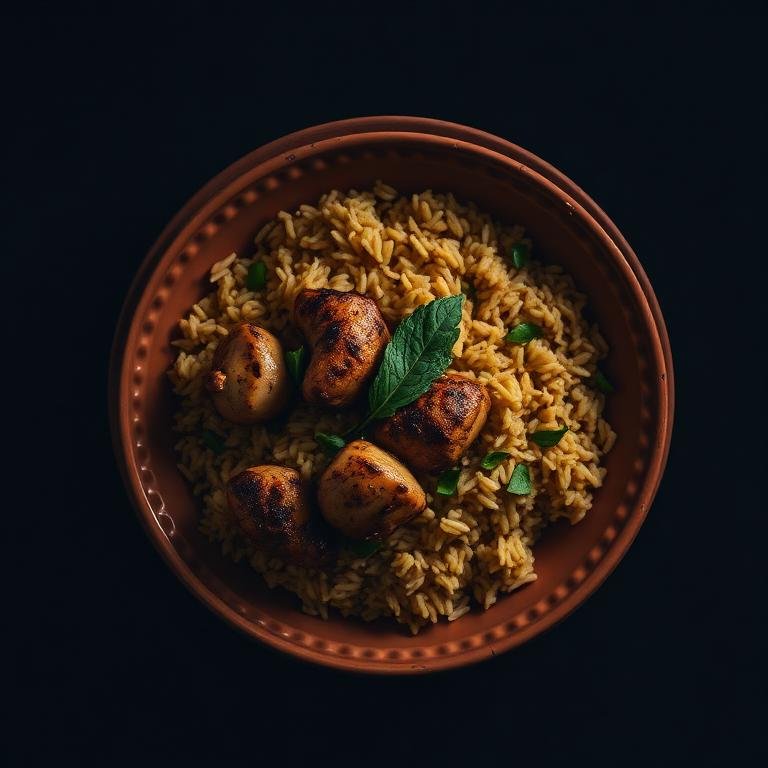
Jollof rice is one of West Africa’s most celebrated dishes, loved for its rich tomato flavor, vibrant color, and perfectly seasoned rice. While the recipe may seem straightforward, a few common mistakes can turn a pot of jollof from delicious to disappointing.
Whether you’re making jollof rice for the first time or looking to improve your technique, avoiding these mistakes can help you achieve better flavor, texture, and consistency every time.
The tomato base is the foundation of great jollof rice. Many beginners rush this step, adding rice before the tomato mixture has fully cooked down.
Fresh tomatoes, tomato paste, onions, and peppers need time to simmer and develop their flavors. If the sauce is undercooked, the finished dish may have a raw, acidic taste instead of the deep, rich flavor that makes jollof rice so satisfying.
Tip: Allow the tomato mixture to cook until it thickens and the oil begins to separate slightly from the sauce.
One of the quickest ways to ruin jollof rice is adding excessive liquid. Too much water can leave the rice mushy and prevent it from absorbing the concentrated flavors of the sauce.
Jollof rice should be tender but not soggy. The goal is for the rice to absorb the seasoned cooking liquid gradually as it steams.
Tip: Add liquid carefully and remember that tomatoes and peppers also release moisture during cooking.
Unlike risotto, jollof rice does not benefit from constant stirring. Excessive stirring can break the grains and create a sticky texture.
Once the rice is cooking, allow it to steam gently with minimal disturbance. This helps maintain separate grains and allows the flavors to develop evenly.
Tip: Stir only when necessary and avoid repeatedly opening the lid during cooking.
A flavorful tomato sauce alone is not enough. Jollof rice relies on layers of seasoning to create its signature taste.
Common seasonings include:
Under-seasoning can leave the rice tasting flat, even if the texture is perfect.
Tip: Taste the sauce before adding the rice. The cooking liquid should be slightly more seasoned than you think necessary, as the rice will absorb and mellow the flavors.
Heat management is one of the most overlooked aspects of making jollof rice.
Cooking over very high heat can burn the bottom before the rice is fully cooked. Cooking over heat that is too low may leave the rice unevenly cooked and lacking the characteristic depth of flavor.
The best jollof rice is typically cooked over moderate heat and then finished with gentle steaming.
Tip: Once the rice begins cooking, reduce the heat and allow it to steam slowly until tender.
Great jollof rice takes patience. From cooking the tomato base to allowing the rice to steam properly, each stage contributes to the final result. Rushing through the process often leads to uneven texture and underdeveloped flavor.
A successful pot of jollof rice should have:
When these elements come together, the result is a dish that captures the warmth and richness that have made jollof rice a beloved staple across West Africa.